Blog / Revive My Roof Service

How Does Roof Sealing Improve Water Resistance and Reduce Heat Gain?

Roof sealing estimate in Jacksonville Florida.

In Florida, our properties face constant challenges from rain and sun. Roof sealing helps homeowners and businesses here in Jacksonville, FL by boosting your roof's defense against moisture and cutting down on unwanted heat buildup.

Roof Sealing in Jacksonville, FL

What Is It?

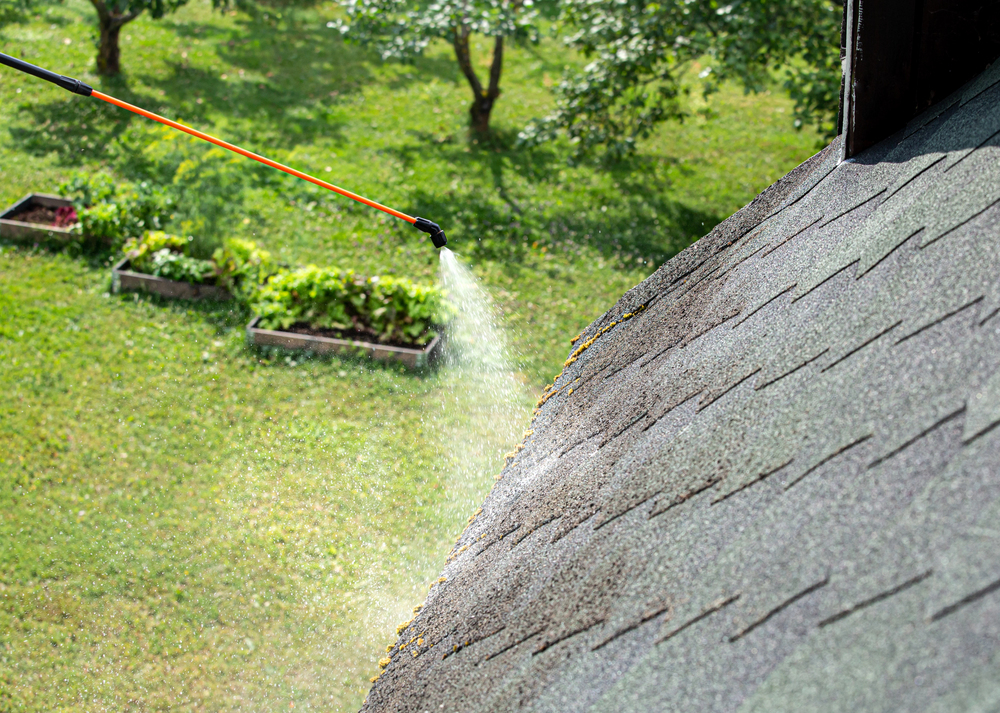
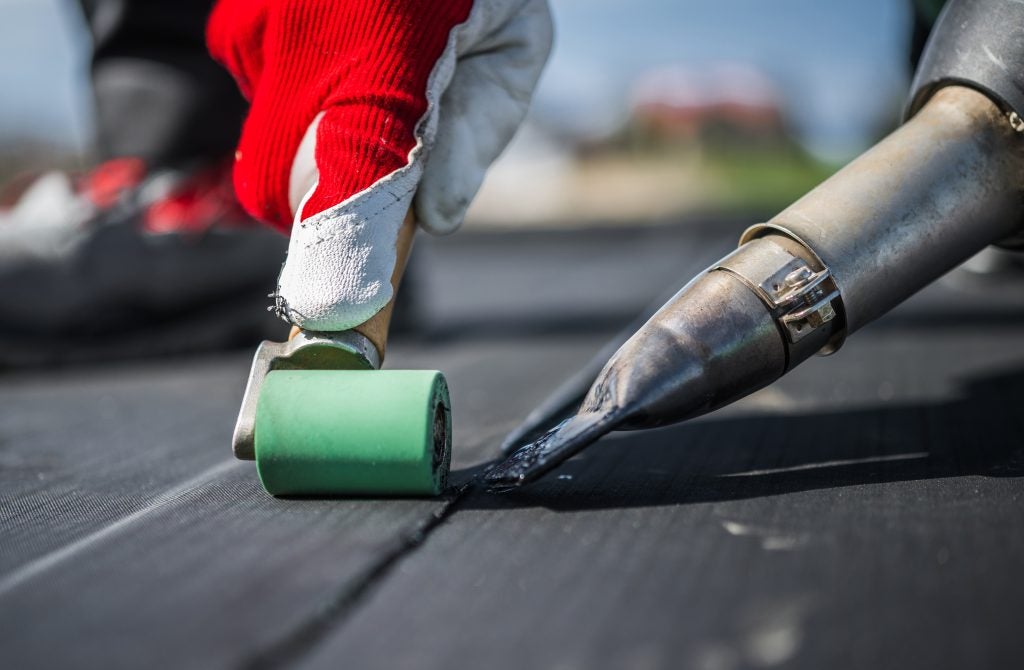
Sealing is when a protective coating or treatment is applied to your roof surface to create a continuous barrier that blocks pathways for water. 

Why Do I Need It?

Over the years, small cracks, gaps, and worn spots tend to develop on your roof from weather exposure. The sealant fills those openings and bonds to the existing surface. This stops rain from reaching the decking or interior spaces below. 

How Else Does It Help?

Keeping Things Flexible

Elastomeric versions of these treatments can stretch and recover when the temperatures rise and fall throughout the day. That makes your roof more flexible and keeps the barrier intact even when the roof expands and contracts in the heat. If your roof gets too rigid, then the temperature swings can cause cracks. 

Protecting the Shingles

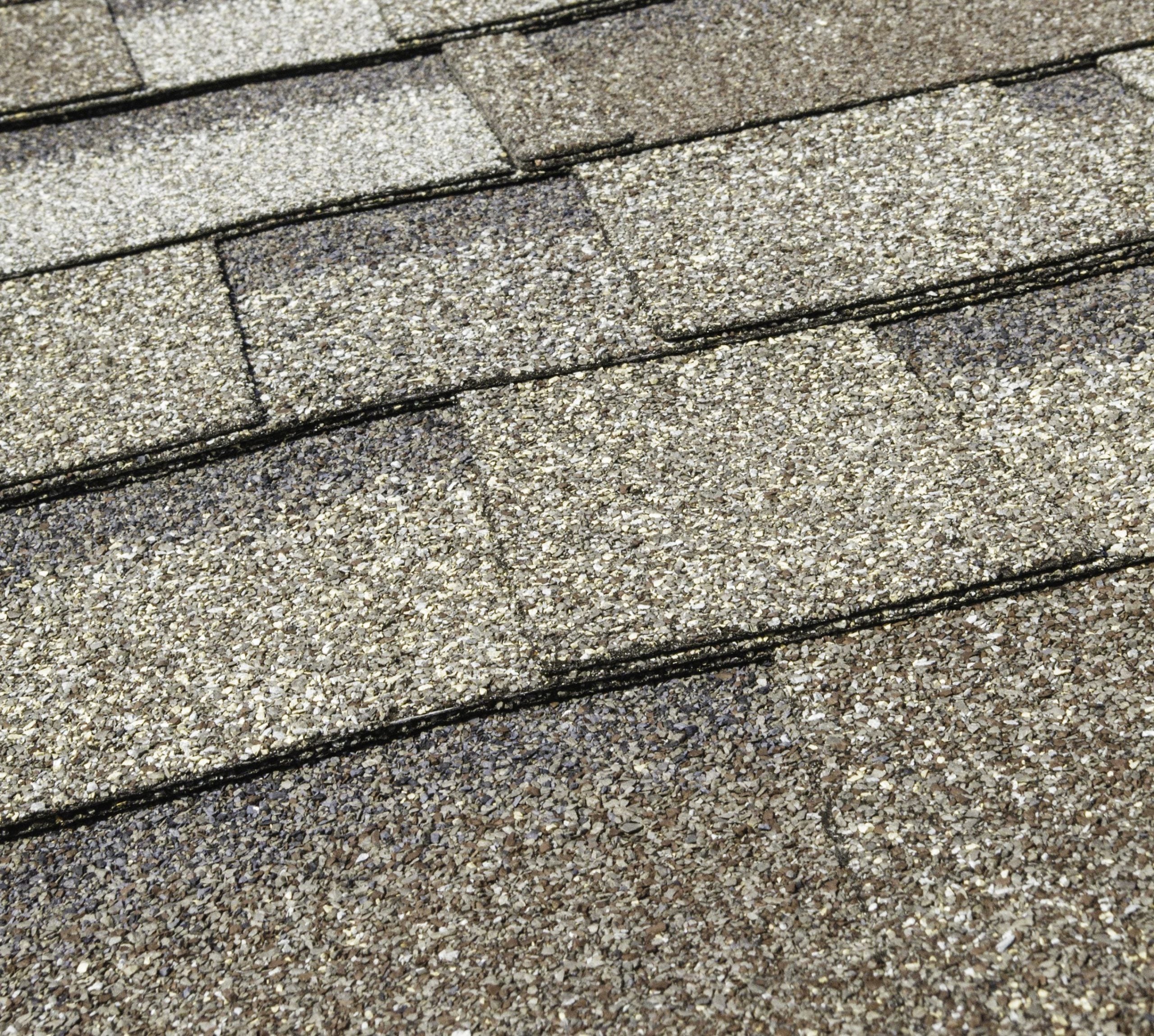
The coating that your asphalt shingles originally had when they were put on holds all the granules in place and sheds water. As the natural oils in the asphalt degrade, you slowly lose these benefits and the shingles get brittle and can't keep out water. Treatments replenish those oils and restore their pliability.

Stopping the Heat

Reflective coatings and membranes bounce a substantial portion of the sun's visible light, infrared, and ultraviolet radiation away from the building, and the roof surface therefore stays cooler than a dark, non-reflective surface would under the same sunlight. That means you've got less heat moving downward into the attic and living areas.

In air-conditioned residential buildings, higher solar reflectance can cut peak cooling demand by 11% to 27%. Cool-roof surfaces have been measured as much as 60 degrees cooler than traditional dark roofs during summer conditions. 

Is It Worth It?

Getting a full-surface treatment rather than making repeated small repairs is often more effective when the roof starts to show widespread signs of aging. Spot fixes only address the visible trouble spots while leaving the rest of the surface vulnerable. A complete application restores performance across every shingle or panel. 

How's It Done?

We'll start with a thorough inspection to confirm that your roof is a good candidate. If things are too far gone, it's probably best just to get a new roof put on: a sealing treatment would just waste your money. Next, the surfaces are cleaned so the material can bond properly. The treatment is then sprayed or rolled on in even layers so it will penetrate or adhere. 

After the sealant has had time to cure, your roof will look refreshed to the eye and you'll quickly notice measurable improvements in both water shedding and thermal performance. Reapplication every few years can extend those gains further and help your roof last as long, or sometimes even longer, than its warrantied lifespan.

Schedule a free inspection at Revive My Roof in Jacksonville today to evaluate your roof's condition. We also serve clients in Orlando and Tampa and in Detroit, MI, Dallas, TX, Nashville, TN, and Richmond, VA.
Posted in:

Related Posts

The best roof repair in Detroit, MI.

What Are the Early Warning Signs Your Roof Needs Professional Repair?

Spotting the first clues that your roof needs some work can save you from serious issues down the line and a lot of unexpected repairs to your Detroit, MI home. Here's a few signs to look for that indicate a professional roof repair. Early Clues That Roof Repair Is Necessary for Your Detroit, MI Home Problems With the Shingles more Look at your roof regularly for missing shingles and bare spots where water can reach the underlayment. Cracked shingles also often split along the tabs after repeated expansion and contraction, and if you see curling edges lifting away from the surface, your deck is exposed. When you see even a handful of these issues in one section, schedule a closer professional look before that next big storm comes. If your roof isn't new, and you see piles of dark sand-like material or bald patches that show the black mat underneath after a storm, that means the ultraviolet shield on your shingles is basically gone. Once that layer wears away, the shingles grow brittle and crack faster. Indoor Stains If your ceilings or walls have yellow or brown ring-shaped stains appearing after storms or prolonged wet periods, water has already moved past the roof deck and into the living space. Peeling or blistering paint near the eaves can indicate the same thing. Up in the attic, look for damp insulation, dark water marks on the underside of the sheathing, or daylight showing through gaps in the boards. Sagging A sagging line along the ridge or a soft dip between the rafters signals that the decking itself has taken on moisture or lost strength. Step back far enough to sight the entire plane of the roof; any wave or uneven stretch that was not present before needs to be looked at right away. Algae or Moss Dark streaks of algae or patches of moss can take hold on your north-facing slopes and in shaded spots under trees. The roots can both pull up shingles and speed the loss of their granules. Clear that off the instant you see it starting, but if it's taken hold, call for help to make sure it hasn't damaged something. Flashing Issues Flashing is the metal that's around your chimneys, vents, skylights, or valleys, and it's another frequent weak point. Metal pieces that have pulled away, rusted through, or lost their sealant leave open seams, so take a look from the ground for any issues like that. Localized flashing failure is often repairable if you catch it before the deck underneath gets so wet that it starts to soften. Excessive Energy Bills Lots of things can cause higher energy bills, so if you suspect the roof, throw a thermometer up in the attic and see if the temperature is higher than it should be. A roof that has lost flexibility and sealing performance can allow more heat transfer, which shows up as higher cooling costs in summer and uneven temperatures upstairs. Schedule your free roof inspection today with us at Revive My Roof. We service families and businesses in Detroit, MI, Dallas, TX, and Tampa and Jacksonville, FL.

Dallas Texas Emergency Roofing Repairs.

Which Leaks Require Emergency Roof Repair and What Can Wait?

When a sudden leak hits your home in Dallas, TX, you need clear answers fast. Knowing which ones call for urgent roof repair versus those that can wait a little helps you protect your property without overreacting or spending more than you need to. Leaks That Require Emergency Roof Repair more Active Dripping or Streaming If you see water actively dripping or streaming into your living space, treat it as an emergency. This means the roof barrier has a significant breach, and the water can spread quickly through your ceiling, walls, and insulation. That's going to be some very costly interior damage, and within hours. Grab buckets or plastic sheeting to catch it temporarily, and call a professional immediately to stop it at the source. Sagging If you've got sagging ceilings or walls, that usually means water has soaked into the structure long enough to weaken it. You might notice the ceiling bowing downward or feel soft spots when you press gently on drywall. Now you've got a risk of collapse, and it's not safe to ignore it even a day or two. Stay out of the affected room if possible and get a roofing expert on site fast. Electrical Danger If there's water coming in near electrical fixtures, outlets, or wiring, you have to act fast. Even a small drip hitting a light fixture or switch could create a fire or a shock hazard. Turn off the power to that circuit at the breaker if you can do so safely, and then stay clear until help arrives. Leaks traveling along wires often hide in attics or wall cavities, so visible drips are often just the tip of the problem. Minor Leaks That Can Wait Single Small Stains A single small water stain on the ceiling that appeared after one rain event but has since dried can usually wait a day or two. If no new moisture appears, and the stain does not spread, the leak may have sealed itself temporarily as the roofing materials swelled with moisture. Still, it's best to schedule an inspection soon because these intermittent leaks usually return with the next heavy rain and slowly but surely get worse. Minor Roof Damage Minor granule loss or a couple of slightly curled shingles, with no signs of interior leaks, fall into the “monitor and schedule” category. These are usually the response of normal aging of the roof. Mark the spots, take photos for your records, and have a roofer check during your next routine visit instead of rushing to make an after-hours call. Overflowing Gutter A clogged gutter can sometimes cause an overflow onto the fascia. If there are no ceiling stains or attic dampness, this can usually wait for routine maintenance. Clean it yourself if you can do so safely, or note it for your next service appointment. Ignoring it forever is never a good idea, but it's not an emergency. Roofing Help in Dallas, TX Contact Revive My Roof today in Dallas for a thorough inspection or emergency repair. We'll give you straight answers. We also service roofs in Detroit, Jacksonville, Tampa, Orlando, Richmond, and Nashville.

roof cleaning near me

How Often Should You Schedule Roof Cleaning to Prevent Algae Streaks?

Tampa, FL's heat, humidity, and frequent rain make roof algae (Gloeocapsa magma) very common. We see those black streaks faster here than almost anywhere else in the country; in fact, you'll often see them in just 1–3 years on a new roof. Here's our straightforward schedule to protect your shingles: How Often Should You Schedule Roof Cleaning to Prevent Algae Streaks? more If you're in South Florida, clean that roof every 12–18 months. The intense year-round humidity, regular afternoon thunderstorms, and our salty air create nonstop algae food. If you've waited until the streaks appear to get a cleaning, you might need switch to annual cleaning until preventive treatments build up some protection. If you're in Central Florida, plan on a cleaning at least every 18–24 months. Conditions in some areas are slightly less brutal than in the south, but lake-effect moisture and oak shade still push aggressive growth. And in North Florida, cooler winters may slow things a bit, but summer monsoons and pine trees keep the algae thriving. Plan on getting a cleaning every two years or so, but be ready in case it has to happen once a year. If your roof already shows black streaks longer than a couple of feet, green moss in the valleys, or you're seeing heavy granule loss in your gutters, book a cleaning immediately. Waiting even one more rainy season is going to let those organisms burrow ever deeper and lift your shingles. The Process First, we'll soft-wash your roof with low pressure and ARMA-approved biodegradable algaecides that are safe for Florida plants and pets. Pressure washing is a no-go, as it strips the granules and can void the warranties on roofs from GAF, Owens Corning, and CertainTeed, so don't be tempted to try that yourself! Our treatment kills spores on contact and leaves a residual that slows algae regrowth for 2–4 years. We'll also add a treatment specifically to stop algae growth. You might also consider adding zinc or replacing zinc/copper strips along the ridge of your roof, which can then carry metal ions down the slope with every rain. The point of those is to poison new spores before they can colonize. What Happens When You Skip Cleanings? Your asphalt roof is typically going to be rated for 20–30 years, but if you've got unchecked algae, you can cut that time to 10–15 years, no question. Algae traps moisture and overheats the shingles, which means they crack much more quickly. A professional cleaning is just a tiny fraction of the cost of a full tear-off and replacement, so it's a no-brainer. Talk to Us Today About Your Tampa, FL Roof Cleaning If you're seeing the first streaks, get things cleaned right now! After that initial deep clean, plan on getting the roof cleaned every 1 to 2 years, depending on where exactly you live and the kind of tree cover you have. Call us now at Revive My Roof in Tampa, Jacksonville, or Orlando so we can do an inspection and take the best approach. We also take care of roofs in Dallas and Detroit!

Free Roof Inspection


Call 248-266-5169 or fill out the form below.